
Microfluidic in vitro lung model for the replacement of murine infection and Acute Respiratory Distress Syndrome (ARDS) models
Microfluidic in vitro lung models can help to reduce and replace the need for animal studies in drug development and in basic research.
Inflammatory cells (e.g. neutrophils) contribute to the loss of lung structure and lung function in lung diseases, such as pneumonia, acute respiratory distress syndrome (ARDS), and cystic fibrosis. This project aimed to cultivate human endothelial and epithelial cells and the development of a microfluidic chip system, which allows to examine transepithelial migration of neutrophil granulocytes from the blood stream into the lung.
The microfluidic chip was realized in microscope slide size (fig. 1).
Human epithelial cells from the respiratory tract were cultivated in the microfluidic system. Quantification of cell growth and cell densitiy was performed by impedance measurement (fig 2A). In order to test for migration of neutrophiles over the epithelial barrier neutrohile granulocytes were placed into the bottom channel. To stimulate the migration heat inactivated cells of the pathogen Pseudomonas aeruginosa were added to the liquid flowing in the upper channel. Migration of neutrophiles has been confirmed (fig. 2B).
In another part of this project primary human bronchial epithelial cells were differentiated to bronchospheres during a time span of four to five weeks. These bronchospheres can be used to examine the interaction of epithelial cells with inflammatory cells like neutrophils. During differentiation the bronchospheres were incubated with bacterial factors like flagellins from P. aeruginosa, leading to mucus hyperproduction.
Microfluidic in vitro models and lung organoids can be used to analyse the interaction of inflammatory cells with bronchial epithelial cells under physiological conditions. The newly developed models follow the 3Rs principles and contribute to the reduction of animal experiments in the field of drug development and basic research.
Publication:
Sprott et al. (2020) Flagellin shifts 3D bronchospheres towards mucus hyperproduction. Respiratory Research 21:222; https://doi.org/10.1186/s12931-020-01486-x
Poster:Hesler M., Knoll T., Ritzmann F., Honecker A., Wagner S., Kohl Y., von Briesen H., Zimmermann H., Bals R., Beisswenger C. „Microfluidic in vitro lung model to replace murine infection and ARDS models“ Posterpräsentation während der EUSAAT, 10.-13. Oktober 2019, Linz, Österreich.
Project management
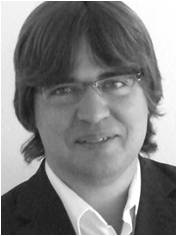
PD Dr. Christoph Beißwenger
Studied biology in Marburg. 2005 PhD in the PhD program human biology of the Philipps-University Marburg. Postdoc at the University of Pennsylvania in the Department of Microbiology. Scientist in Research and Development at the Across Barriers GmbH. Since 2010 principal investigator at the Saarland University, Klinik für Innere Medizin V, Homburg (Saar). 2014 habilitation in immunology and experimental pneumology.
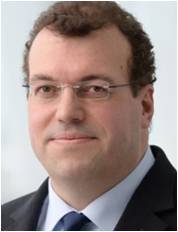
Prof. Dr. rer. nat. Heiko Zimmermann
Studied physics in Würzburg and Berlin. 2001 PhD in the field of biophysics, Humboldt University Berlin. 2003 junior professorship "Cryobiophysics & Cellular Cryotechnology" and 2008 appointment as professor, chair for "Molecular and Cellular Biotechnology/Nanotechnology" at Saarland University. 2008 Head of the "Biophysics & Cryotechnology" Department at the Fraunhofer Institute for Biomedical Engineering. 2012 Appointment as Head of the Institute. 2015 Managing Director of the institute, since April 2017 sole Director of the institute.
Cooperation
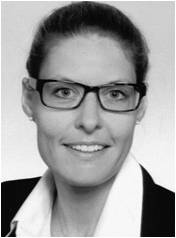
Dr. rer nat. Yvonne Kohl
Study of food chemistry at the Technical University of Kaiserslautern until 2007. PhD in the field of nanotoxicology, Saarland University in 2011. Research associate and project manager at the Fraunhofer Institute for Biomedical Engineering IBMT, Department of Bioprocesses & Bioanalytics. Since April 2016 Head of the Nanotoxicology group at the Fraunhofer IBMT.
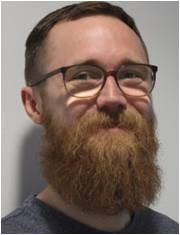
MSc. Biologie Felix Ritzman
First training as laboratory technician (Biology), then studied Applied Biology at the Karlsruhe Institute of Technology, since 2016 PhD studies at Saarland University, Homburg.