
Establishing human synovial tissue slices as an animal-free model to study synovial Iiflammation and fibrosis
Osteoarthritis is the most common chronic degenerative joint disease, while rheumatoid arthritis is the most common autoimmune inflammatory joint disease. Both conditions can cause chronic pain, impaired mobility, and progressive joint damage. Although they differ fundamentally in their underlying causes, the synovial membrane plays a central role in driving inflammation, tissue remodeling, and disease progression in both diseases. Despite its importance, these processes are still studied predominantly in animal models or highly simplified cell culture systems, which fail to adequately reflect the complexity of native human synovial tissue.
The aim of our project is to optimize precision-cut tissue slice technology for human synovial biopsies and establish it as a reproducible in vitro model for joint research. Small synovial biopsies will be processed into standardized, viable tissue slices that preserve the native tissue architecture, cellular diversity, and functional responsiveness as closely as possible. Importantly, several comparable tissue slices can be generated from a single patient biopsy, allowing different disease-relevant stimuli and therapeutic interventions to be tested in parallel under identical experimental conditions.
The project will first focus on optimizing the technical workflow for generating viable human synovial tissue slices. We will then determine whether the characteristic cellular composition of the synovium is maintained and whether the tissue remains functionally responsive to defined stimuli. In the final phase, the model will be used to investigate inflammatory and fibrotic processes as well as the effects of therapeutic compounds directly within the native human tissue environment. The results will be systematically compared with those obtained using our previously established xeno-free 3D synovial membrane model, which was developed with support from the Stiftung set, to determine the added value of preserving the native tissue architecture compared with reconstructed in vitro models. Ultimately, this project aims to provide a standardized and reproducible protocol that can be readily adopted by other research groups. By offering a robust human tissue-based model, the project will support mechanistic studies and preclinical drug testing while contributing to the replacement and reduction of animal experiments in arthritis research.

Project management
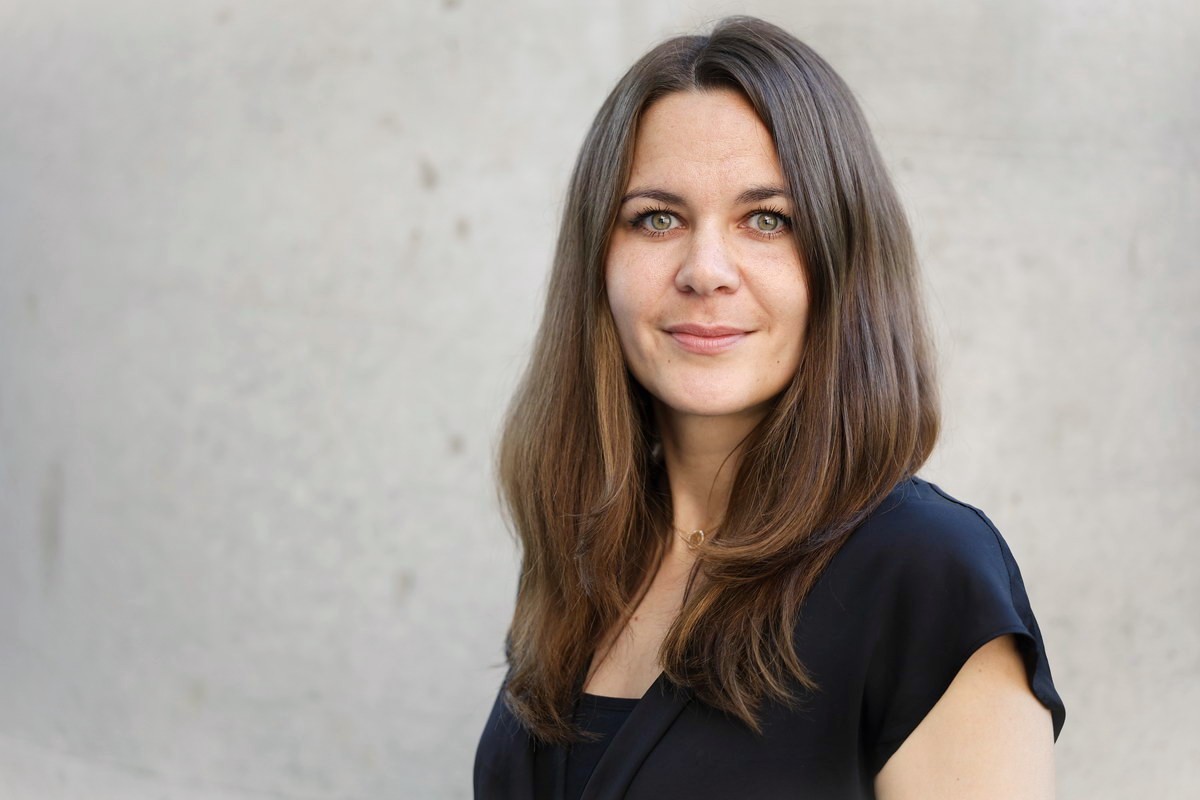
Dr. rer. nat. Alexandra Damerau
Studied Biotechnology, followed by a Ph.D. in Pharmaceutical Sciences at Freie Universität Berlin as a scholarship holder of the German Academic Scholarship Foundation (Studienstiftung des deutschen Volkes). Currently Principal Investigator (PI) of a DFG-funded research project at Charité – Universitätsmedizin Berlin and the German Rheumatism Research Centre (DRFZ) Berlin in the research group of Prof. Buttgereit. Research focuses on human synovial and cartilage biology, with particular emphasis on osteoarthritis, cellular metabolism, and the development of human-based, animal-free in vitro models for musculoskeletal research. Recipient of the Charité 3R Young Investigator Award and the Lush Prize (Young Researcher Award).
Cooperation

Marika Berntien
B.Sc. and M.Sc. in Molecular Biology from Humboldt-Universität zu Berlin. Since June 2025, Ph.D. candidate at Charité – Universitätsmedizin Berlin and Technische Universität Berlin. Research focuses on the characterization of the human synovial membrane, with particular emphasis on synovial cell subpopulations and their distinct functions in healthy tissue and osteoarthritis.