
Hypothermal and neuroprotective therapy to validate a degeneration model of cultivated porcine retina
Porcine retinal organ culture models offer an important alternative to animal testing to analyze the pathomechanisms during retinal degeneration processes and to test new therapeutic approaches.
Retinal degeneration is associated with several ocular diseases, like glaucoma or retinal ischemia. As the pathogenic processes of those diseases are not yet completely understood, models are needed to investigate pathologic changes. Furthermore, model systems are necessary to develop new therapeutic approaches and to test novel drugs. Those studies are mostly based on disease-specific animal models, which are bred and euthanized specifically for the experiments. Organ cultures of porcine retina explants, obtained from slaughtered animals for the food industry, offer a good alternative to these animal models. In a prior project, funded by the set Foundation, several degeneration models of the organotypic culture model of the porcine retina were successfully established.
The goal of this project is to investigate, if the cobalt chloride (CoCl2) and the hydrogen peroxide (H2O2) degeneration model can not only be used to analyze the underlying processes of retinal degeneration (Kuehn et al. 2017; Hurst et al. 2017), but also to screen for therapeutics and to test therapeutic treatments, such as hypothermia. Therefore, a possibly protective effect of different therapeutic approaches, like hypothermia or inhibitors, will be investigated in detail. This is of eminent importance since the successful testing of such therapies is crucial to get the model approved as an animal replacement method.
Once again porcine eyes from the local abattoir are used for these studies. Therefore, no animals are killed exclusively for these experiments, but waste products from the food industry are used. This study aims at completely replacing animal experiments in the first test period of therapy screenings (Replace). Additionally, the size of the porcine eyes offers the crucial advantage to prepare four comparable samples from one eye and thereby the possibility to correlate the results of different methods statistically more accurate. In comparison to animal models, the size of a rat or mouse eye is only sufficient for one sample each. The number of animals can be considerably decreased as compared to rat or mouse eyes (Reduce).
Project management
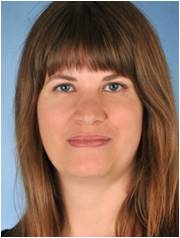
PD Dr. Stephanie Joachim
Studies in human medicine in Ulm and Mainz 1996-2004, Thesis 2006. Post-Doc Fellowship Alcon Laboratories Inc., Fort Worth, TX, USA 2004-2005. Post-Doc at the Experimental Ophthalmology at the University Eye Clinic, Universitymedicine Mainz 2006-2010. Since 2010 Head oft he research lab at the University Eye Clinic at the Ruhr-University Bochum at the Knappschaftskrankenhaus. Habilitation in Experimental Ophthalmology 2014.
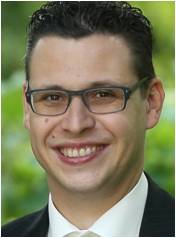
Dr. Sven Schnichels
Studies of biology in Hohenheim 2000-2005, Diploma in biology 2005. PhD studies at the University Tübingen 2006-2010. Post-Doc at the University Eye Hospital Tübingen 2009-2011. Laboratory head for preclinical research 2011-2013. Laboratory head at the University Eye Hospital Tübingen since 2013.
Cooperation
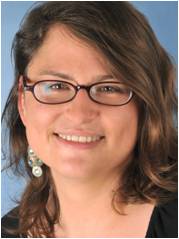
Dr. Sandra Kühn
Studies in biochemistry at the Ernst-Moritz-Arndt University of Greifswald 2005-2010, diploma in biochemistry in 2010. Doctoral thesis at the Experimental Eye Research Institute, University Eye Hospital, Ruhr-University Bochum. Since 2015 Post-Doc at the University Eye Hospital Bochum.
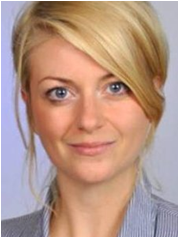
Dr. José Hurst
Studies in human biology at the Ernst-Moritz-Arndt University of Greifswald 2003-2008, diploma in human biology in 2008. Doctoral thesis (Dr. rer. nat.) in medical virology at the University of Tübingen 2008-2012. 2013-2014 employee at Life Technologies in the area of ELISA and PCR for diagnostics. Since 03/2014 Post-Doc at the University Eye Hospital Tübingen.